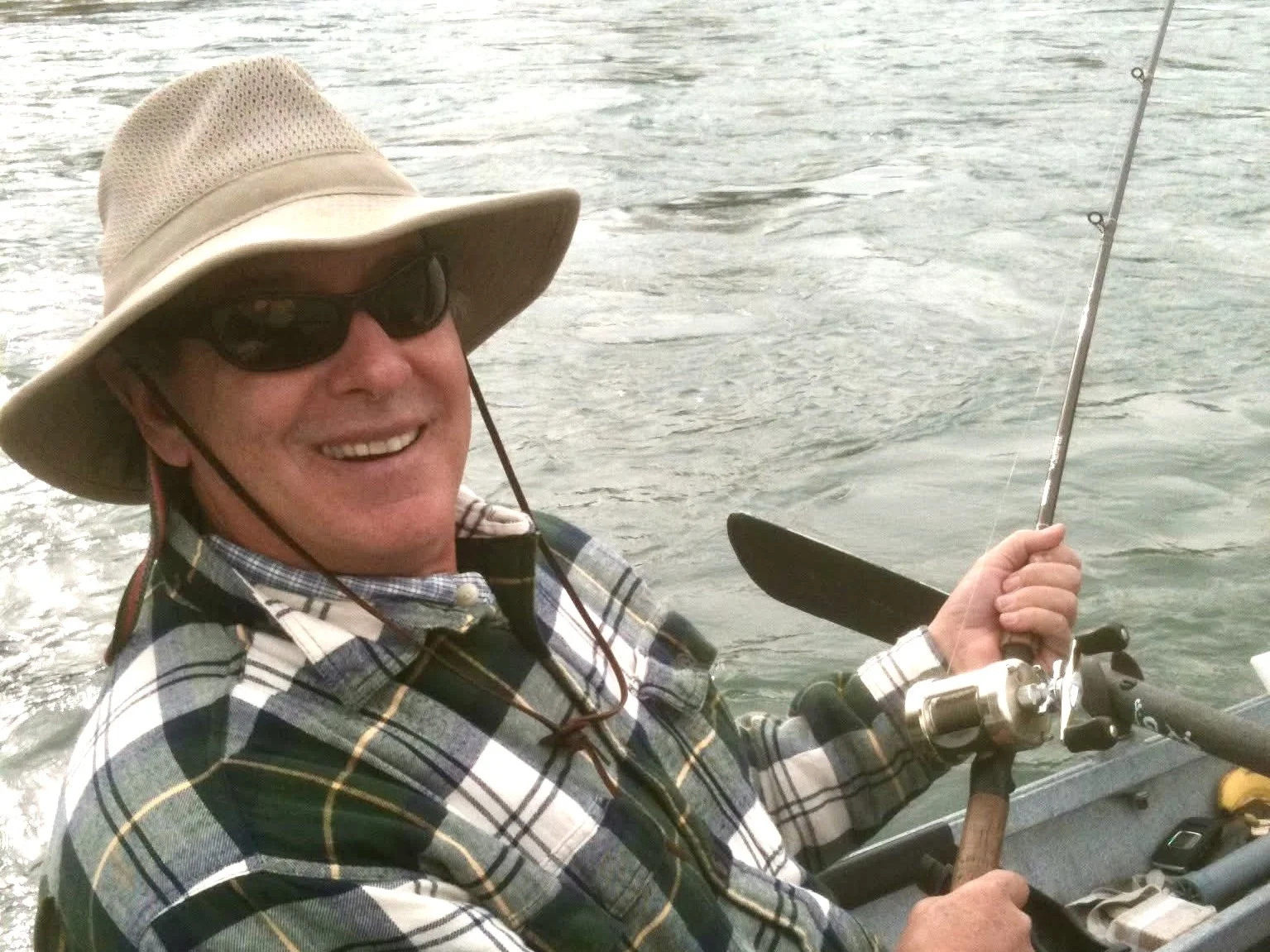
Stefan Mcleod is a Champion for the Truckee River

In early spring of 2010, a few local trout bums in the Lake Tahoe area decided they wanted to create a TU chapter focused on the Truckee River watershed. This group chose Stefan Mcleod to be the first president of the newly formed TU Chapter #103 and lead the efforts required to get it up and running. Stefan was president for the first four years of the new chapter and continued to dedicate time and energy to the chapter over many years that followed.

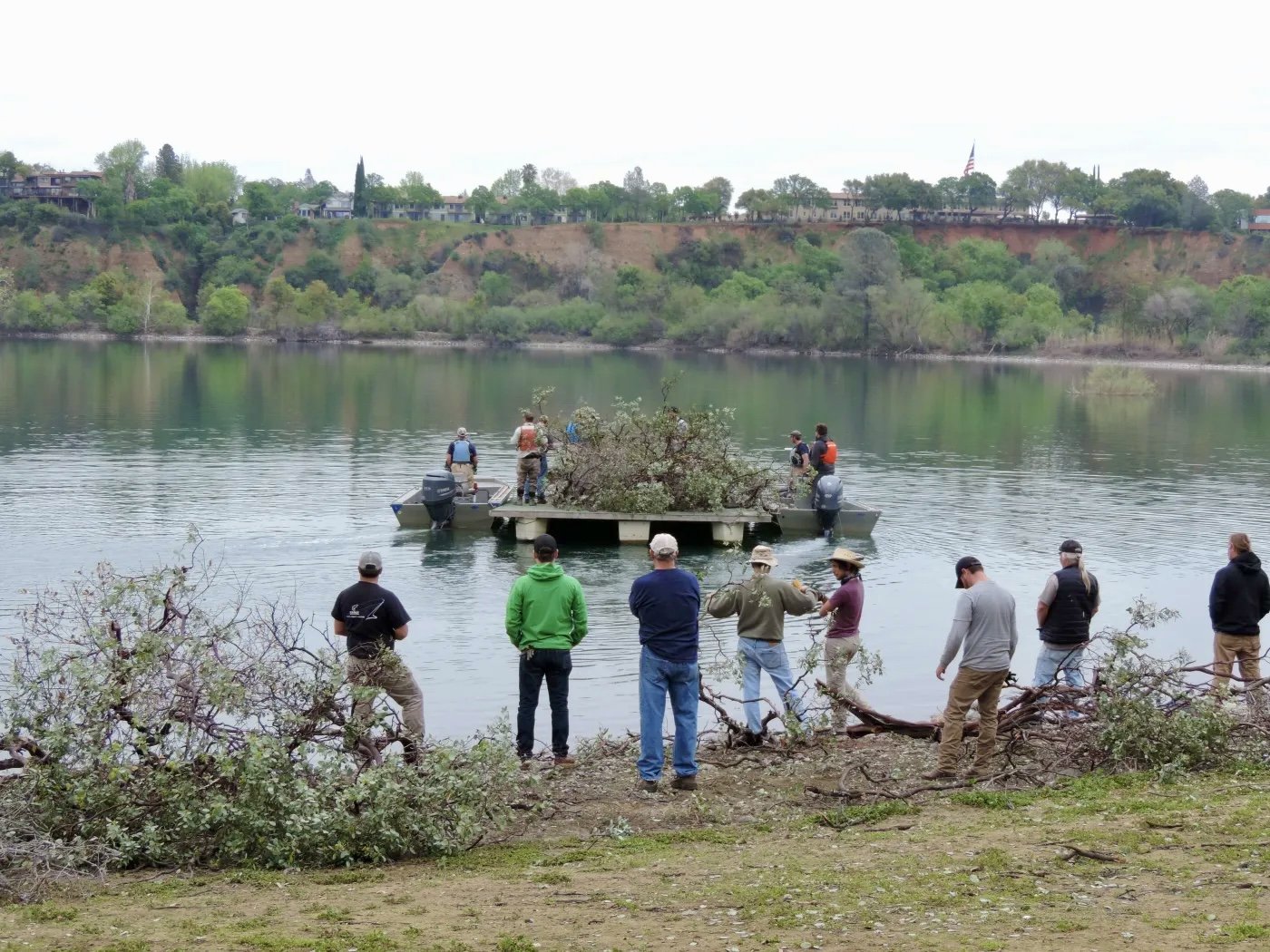
Stefan’s vision and organizational acumen helped transform the Truckee River Chapter from an idea into a dynamic, effective organization. He led the creation of the annual Fishmas Eve event as a fundraiser that the Truckee River Chapter holds annually on the Friday before the traditional opening Saturday of trout season. The event has raised tens of thousands of dollars since the Chapter’s inception in 2010. Under Stefan’s leadership, the funds raised have supported numerous cleanups with hundreds of volunteers who removed tons of trash and garbage from the Truckee River watershed. These funds have also supported Truckee River Watershed in-stream habitat restoration projects such as Horner’s Corner and Glenshire Drive. Stefan was also involved in the Little Truckee River enhancement project, a complex effort that the then-new Truckee River Chapter executed to restore over a half mile of the Little Truckee at a cost of over $700,000.

Stefan led several spawning gravel augmentation projects and remarked how awesome it was to see the wild trout using the gravel spread into the river and turned it into spawning redds. He was also heavily involved in the Fanny Bridge fish rescue and relocation in 2015, which saved 37 very large rainbows and brown trout from certain death as the river was completely dewatered to repair the bridge.

In addition to Truckee River watershed efforts, Stefan served as an active participant for a number of years representing Trout Unlimited alongside federal, state, and other nonprofit groups that have worked over decades to protect and restore the Silver King Creek watershed, which is the only native habitat of the Paiute cutthroat trout. These efforts have improved the outlook for the Paiute cutthroat, which is considered the rarest trout subspecies in North America and one of the most imperiled native fish in California.

Stefan’s volunteer efforts extend to supporting education events such as youth camps teaching fly fishing and conservation. He bleeds TU blue and has ink on his left arm with chapter #103 prominently displayed. Now that’s commitment!

We would like to thank Stefan for taking a lead role getting the Truckee River Chapter of Trout Unlimited started back in 2010 and putting countless hours since then. His efforts have left healthier Truckee and nearby watersheds and a dynamic, effective organization that continues to make a difference. Thank you Stefan!
Bugs and Brews in Truckee on Sept. 23, 2026

From the Truckee River TU Chapter Instagram:

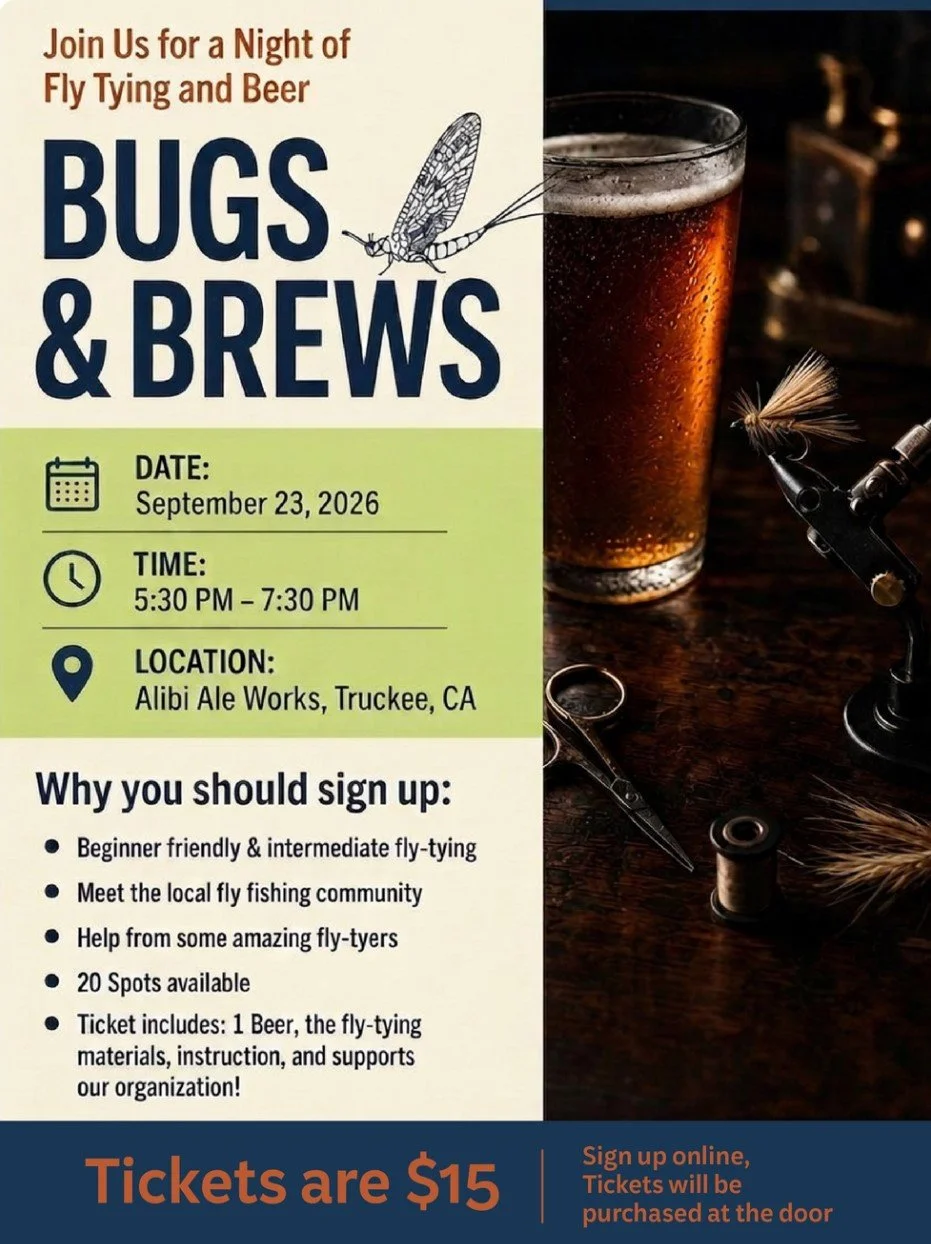
Join us September 23 from 5:30–7:30 PM for a casual night of fly tying, beer, and time with the local fishing community. Whether you’re brand new to tying or already have some experience, we’ll have beginner and intermediate options available.

Tickets are limited to 20 spots and include one beer, fly tying materials, and instruction. Proceeds help support Trout Unlimited’s local conservation and outreach work.

Hosted by Trout Unlimited

Held at Alibi Ale Works

Supported by Trout Creek Outfitters and the Truckee TU Chapter, Tahoe Trout Bums

Stick around after the event for line dancing at 8 PM.

John Sikora is a River Champion for California

John Sikora is one of those river champions with staying power. John’s impact spans decades and has had lasting effects in his home waters in El Dorado County as well as across California.

John has been a member of TU for more than 45 years and a leader at the chapter and state levels for the last 20. John first became a TU member in 1980 and a Life Member in 2011. His leadership efforts started in 2005 when he became a Board Member for the Sac-Sierra Chapter. In 2011, he helped form the Eldorado Chapter of Trout Unlimited. Since then, he and has continuously held leadership roles with EDTU including Secretary, Vice President, and President. John’s contributions at the California State Level include serving as California Council Secretary from 2011 to 2013 and Council Chair from 2013 to 2015.

John’s accomplishments through this period are many. As a TU leader, he helped refine the organization of Chapters across California and the California Council itself to better meet TU National requirements. His efforts led to the formation of the Eastern Sierra and Central Sierra Chapters and the expansion of the North Coast Chapter to become the Shasta Trinity Cascade Chapter. These efforts generated increased chapter revenues supporting in-state restoration, conservation, and education programs. John also worked closely with the Redwood Empire Chapter and the California Department of Fish and Wildlife to resolve issues in support of the Chapter’s Trout/Steelhead in the Classroom Program.

In the EDTU region, John has been active in organizing volunteer efforts including stream surveys, fish recovery from nearby lakes, stream and lake cleanup activities, meadow restoration, replacement of signage, and testing CDFW’s California Inland Recreational Angler Survey. John also served as TU representative on teams working with the USFS to address wildfire risks and impacts, where his contributions included input on fuels management, the protection of freshwater fisheries, and organizing EDTU review and comment on restoration plans following the devastating Caldor Fire.

John’s EDTU colleague Jon Bertolino summed up John’s nomination as a River Champion with the statement, “I have greatly enjoyed working with John. He is always looking at ways to engage members, support local resource agencies, and improve our cold-water fisheries, both locally and throughout the state. His mentorship has helped many members, including myself, become involved in TU’s mission.”

Thank you John!

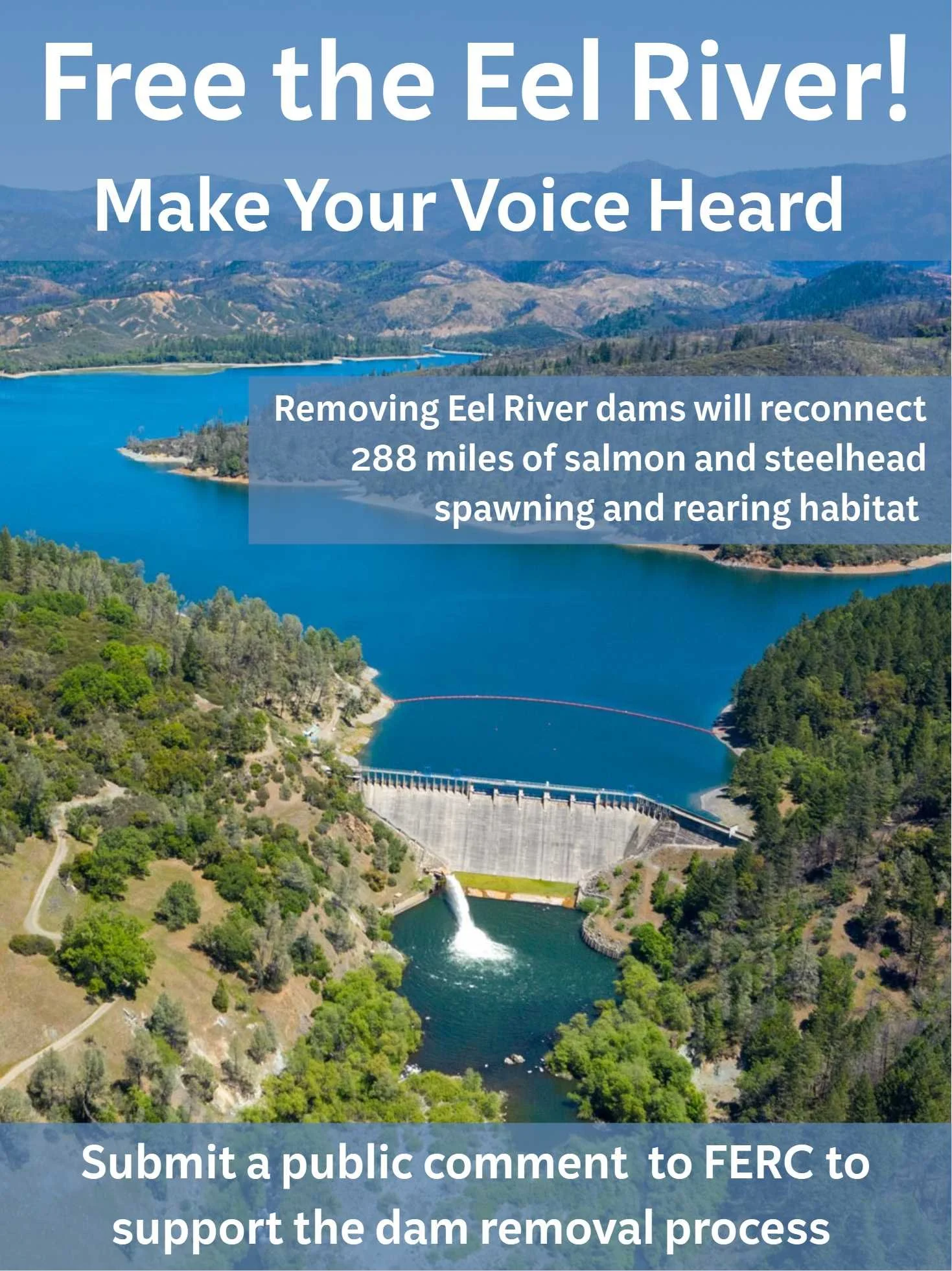
Make Your Voice Heard to Help Free the Eel River

The Federal Energy Regulatory Commission (FERC) is seeking comments on a key element of the process to to remove dams on the Eel River - their Scoping Document 1 for the proposed Potter Valley Hydroelectric Project surrender and decommissioning. This document defines the scope of the proposed decommissioning process, its environmental impacts, and possible alternatives.

FERC is seeking public comments electronically, by mail, or in person in Eureka, CA. The comment period is open until September 18 and FERC has meetings scheduled on September 15th and 16th in Eureka where attendees can provide comments in person.

The Friends of the Eel River has more information on its website including a description of how you can make your voice heard by FERC to ensure they understand the public interest in timely and effective dam removal environmental restoration. Check out the link below to learn how to provide comments electronically, by mail, or in person:

https://eelriver.org/2026/08/13/action-alert-ferc-hearings/

A copy of the scoping document itself is available here:

https://eelriver.org/wp-content/uploads/2026/06/FERC-Scoping-for-PVP.pdf

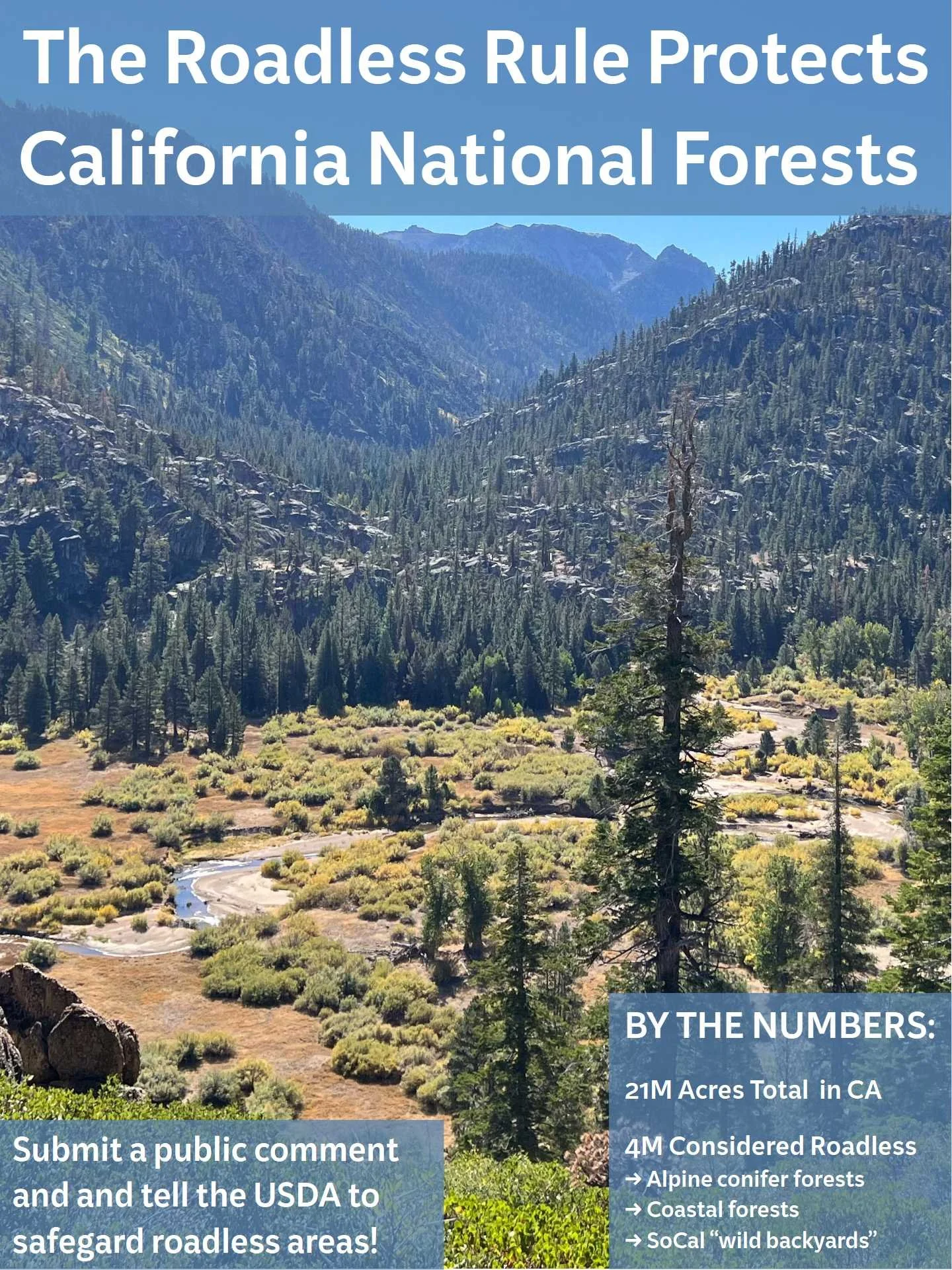
Take Action to Protect Roadless Areas in National Forests

Since it was enacted in 2001, the Roadless Rule has served to protect 58.5 million acres of national forest in 39 states from road-building and industrial development. Protecting these lands protects entire ecosystems from disturbance and fragmentation, including watersheds, streams, lakes, and their inhabitants. These lands include more than 4 million acres in California that include alpine conifer forests, coastal forests, and southern California “backyard forests” in the mountains above the LA basin.

In June 2025, the USDA announced plans to rescind the roadless rule. Trout Unlimited was among the many organizations and individuals who spoke up and submitted 625,000 comments, 99% of which supported keeping roadless protections in place.

It’s time to do it again. The USDA announced yet another plan to rescind the Roadless Rule and the comment period is open. One of the easiest ways you can volunteer to support the TU mission is to make your voice heard by submitting a comment to the USDA. Click or tap the button below to edit and submit a comment.

You can find out more about the roadless rule, why Trout Unlimited supports it, and how your voice matters here: https://www.tu.org/magazine/from-the-president/from-the-president-keep-it-roadless/

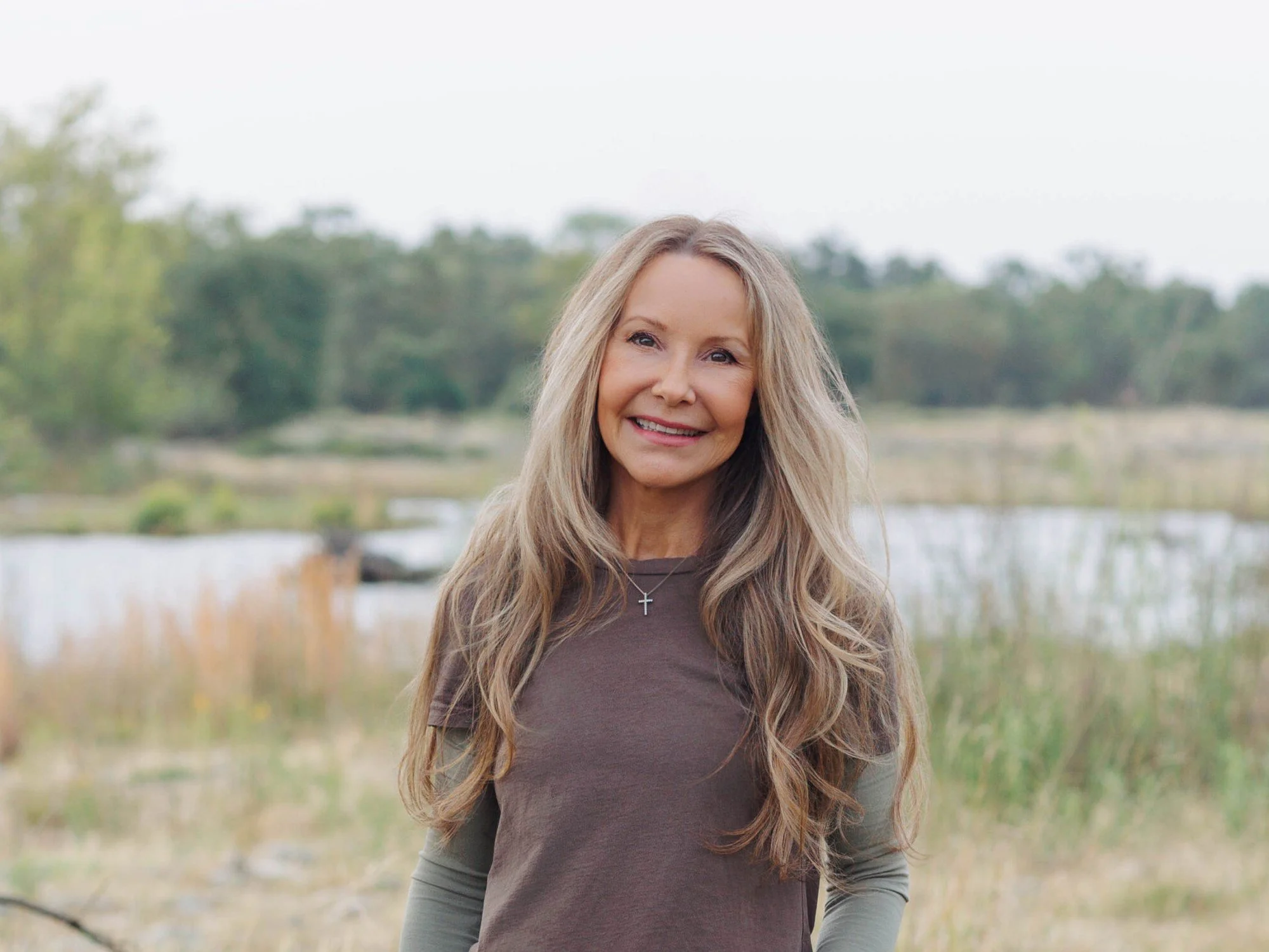
Andrea Willey is a River Champion for the Lower American River

When you work in conservation, you meet incredible people whose dedication inspires you to do more. Dr. Andrea Willey is one of those individuals—a passionate conservationist who never gives up.

In 2023, Andrea founded the Waterbird Habitat Project after discovering a Great Blue Heron hanging from a tree, fatally entangled in discarded fishing line. That moment became a turning point, and since then, she has made it her mission to protect waterbirds along the Lower American River. Andrea regularly patrols the riverbanks, removing discarded fishing line, tackle, and other debris that pose serious threats to wildlife in the riparian corridor. Beyond cleanup efforts, her project focuses on education—encouraging anglers to understand the impact of their actions and take responsibility for the environment they enjoy. She coined the phrase “angling for the ecosystem,” promoting a simple but powerful idea: “take five to keep the ecosystem alive.” If every angler spent just five minutes after fishing to pick up and properly dispose of litter, the cumulative impact on the river’s health would be significant. The Waterbird Habitat Project’s work extends beyond cleanup. Andrea leads efforts to remove invasive plant species, restore degraded river areas, clean up abandoned encampments, rescue injured wildlife, and install fishing line recycling stations at popular access points.

Her dedication has not gone unnoticed. Andrea was honored by the Environmental Council of Sacramento as Environmentalist of the Year – Wildlife Award. With growing momentum and community support, she is now expanding her efforts to other watersheds across California.

Andrea self-funds much of her work and dedicates hundreds of hours to conservation—all while running a successful surgical dermatology practice in the Sacramento area. Though small in stature, she is a powerhouse of energy, determination, and heart. We are honored to name Dr. Andrea Willey a Trout Unlimited California River Champion.

Check out https://waterbirdhabitat.org/ to find out more about the Waterbird Habitat Project.

Larry Heywood is a River Champion for the Truckee River watershed

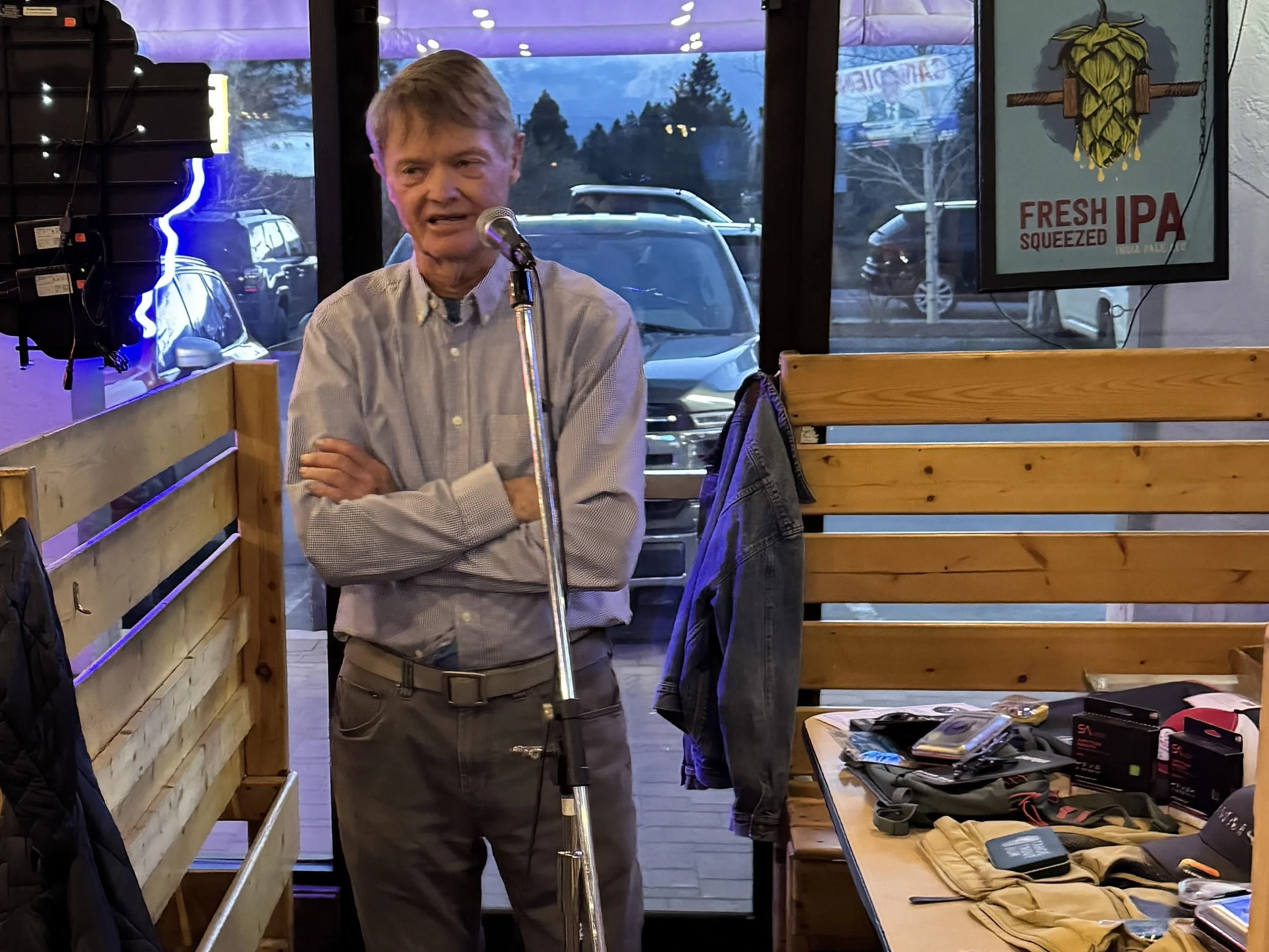
Larry Heywood addressing attendees of the 2026 Fishmas Eve fundraiser in Truckee, CA

Larry Heywood has served on the board of the Truckee River Chapter of Trout Unlimited since (at least) 2014. Larry has been instrumental for more than a decade in helping the chapter thrive in good times and in holding it together in lean years. The chapter remains active to this day in part due to Larry’s efforts.

As conservation committee chair for the chapter, Larry has been involved multiple in-stream habitat restoration projects including the lower lot reach of the Little Truckee in 2015, the DFW Loop/Horner’s Corner reach of the main stem of Truckee a couple miles east of the Ag station on Interstate 80 in 2017, and the reach just above the waste water treatment plant along Glenshire Drive affectionately known as the toilet bowl in 2019. His efforts along these reaches have added new habitat and restored both fish and macro-invertebrates in these sections of the river.

Larry has also fought for the public’s right to access public land along the Truckee. In addition to helping show that the Truckee River is navigable and that riverside landowners do not own the river bottom, Larry convinced Nevada county to create new public access at the Hirschdale bridge to enable anglers to enter the river legally at that point. His tenacity and commitment to public access are a shining example of how to defend a public right.

Larry’s actions to support the Truckee River Chapter include helping keep the chapter’s annual Fishmas Eve fundraiser vibrant and effective. Since 2008, the fundraiser has yielded over $50,000 for the Truckee River since its inception in 2008. Larry helped maintain the chapter’s relationship with the local venue, The Blue Coyote, and has frequently emceed the event and donated raffle items to help raise money for the chapter.

Fish, wildlife, and (yes) anglers have all benefited from Larry’s sustained effort in the Truckee River watershed. Thank you Larry!

California Council Launches River Champions Recognition Program

In 2026, Trout Unlimited launched a national campaign, Every River Needs a Champion, to highlight the importance of individual action to restore, protect, and maintain healthy rivers and their watersheds. Being a River Champion is much is more than angling – it’s about taking sustained action to promote clean water, resilient ecosystems, and healthy communities for all. Anyone can be a River Champion through actions such as volunteering, sharing expertise, supporting conservation efforts, educating others, and advocating for policies that protect our cold water rivers and watersheds from impacts such as abandoned mines, destructive activities, invasive species, and barriers to fish passage.

The Trout Unlimited California Council has established a River Champions Recognition Program to recognize individuals in California who have made consistent and meaningful contributions in our state to Trout Unlimited’s mission to care for and recover rivers and streams. California has a critical need for River Champions due to our uniquely diverse and extensive range of watersheds, numerous environmental challenges, and the largest population of any state in the US.

Leaders of Trout Unlimited Chapters and the California Council nominate candidates for consideration by the Council. Candidates can be TU members, leaders, staff members, partners, or supporters who have consistently contributed to California’s coldwater resources through activities such as restoration work, policy advocacy, education, or leadership & service. We recognize individuals whose efforts have had significant, measurable impact over time.

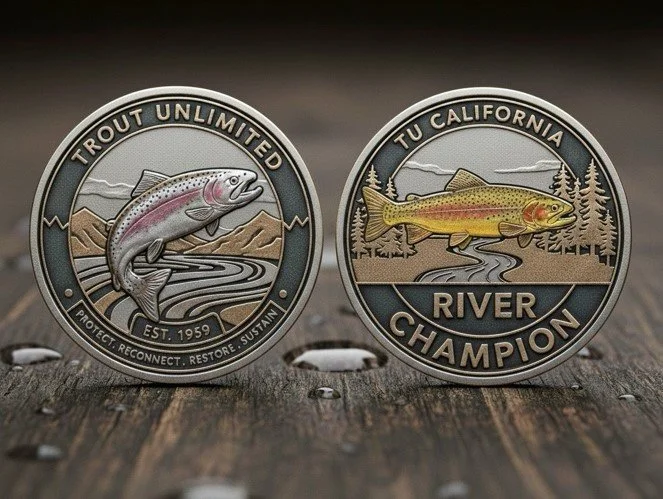
We celebrate our recognized River Champions by profiling their achievements (such as in posts here) and by awarding each River Champion a unique Challenge Coin. We know that River Champions do what they do for their love of the rivers they champion; the Challenge Coin and recognition show that we see them and are grateful for their efforts.

Look for profiles of River Champions and their achievements in future posts.

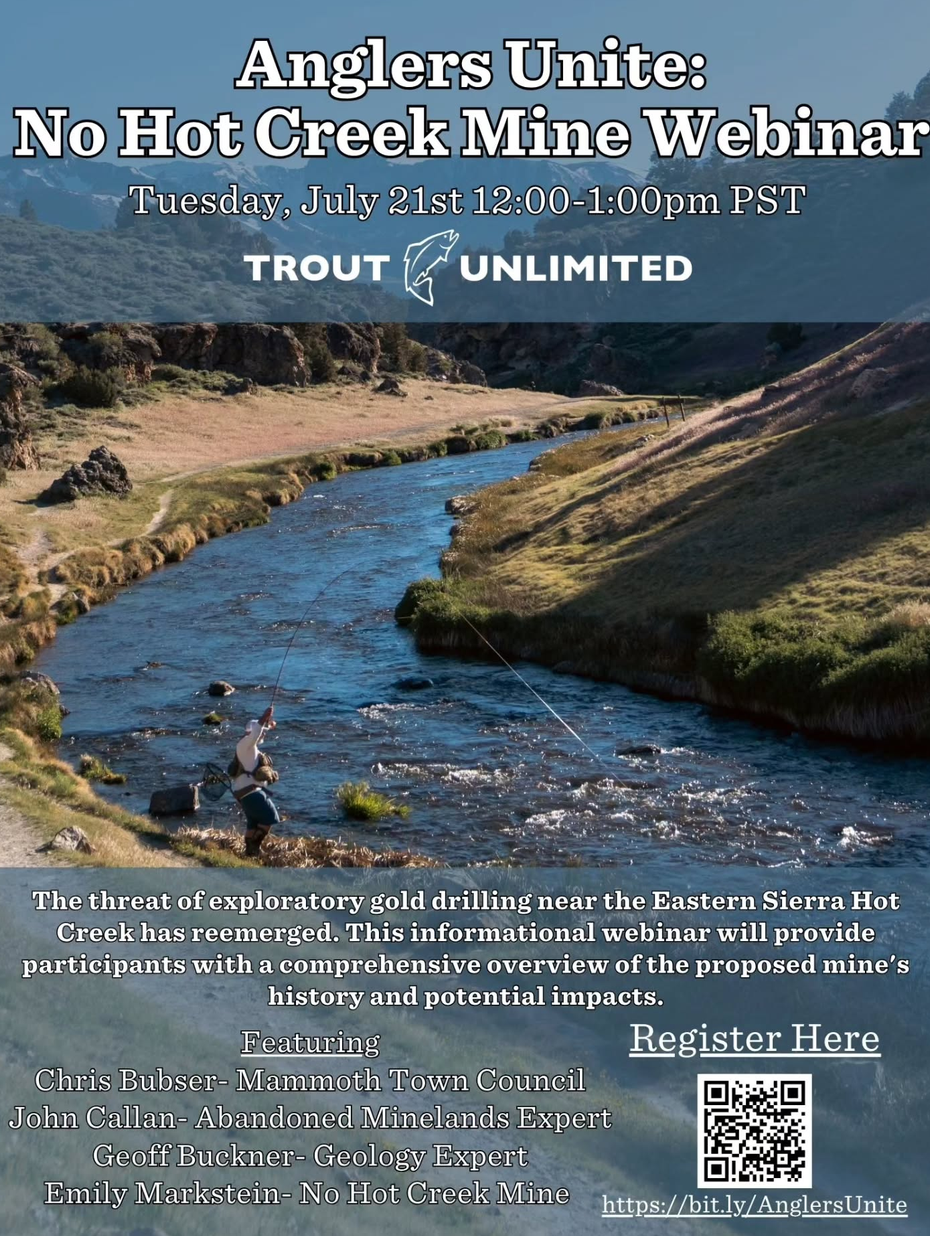
Learn about the threat to Hot Creek from gold mining

Join a webinar hosted by Trout Unlimited on Tuesday, July 21st at 12pm PDT with experts and local leaders to learn more about the threat posed to Hot Creek and the Mammoth Lakes. The threat of exploratory gold drilling near the Eastern Sierra Hot Creek has reemerged. Trout Unlimited is bringing the angling community together to protect this iconic fishery. This informational webinar will provide participants with a comprehensive overview of the mine's history and look back at a decade of dedicated advocacy from the angling community. Most importantly, you will learn actionable ways this community can show up and make their voices heard in this next chapter of the fight.

Register for the webinar at https://bit.ly/AnglersUnite

More information is available at https://www.nohotcreekmine.com/

Shasta Trinity Cascades Chapter - Representing northern California from the Pacific to Nevada

The territory that the Shasta Trinity Cascades Chapter of Trout Unlimited represents includes some of the most diverse and productive trout, steelhead, and salmon waters in the state. We talked with Chapter President Andrew Harris to learn more about the Chapter and its activities.

TUCC: Can you can you tell me a little bit about the history of the Shasta Trinity Cascades Chapter of Trout Unlimited?

Andrew: About 10 years ago some of the members of the Shasta Trinity Fly Fishers club decided that they wanted to get more involved in conservation. They formed the Shasta Trinity Cascades TU chapter to become the conservation committee of the club. I was invited by one of the board members of the new TU chapter to get involved a year or two after that and then I started attending meetings and got on the board and I've been an officer on and off for a while now.

How did you get started angling?

I’ve fished since I was a kid. I got into it with spinning gear and bait and trolling in reservoirs during the summer when I was able to do a little fishing. When I got my driver’s license I was able to get to some smaller streams and experiment with fly fishing. I was self-taught for the most part and quickly became heavily interested in the sport. I went to the Clearwater House on Hat Creek guide school when I was a junior in college. I started guiding a bit that summer and became a full-time fly fishing guide after graduating from UC Davis.

The Shasta Trinity Cascades Chapter covers a wide range of fairly sparsely populated California. Where do most of the chapter members live?

When we look at our roster we see that members are from all over. We cover pretty much everything north of the Feather River drainage to the Oregon border and east to the Nevada border plus the coastal range including the Trinity and Klamath. Redding is where we have our meetings and where most of the active membership lives. During Covid we did Zoom meetings and we had some involvement from people from as far away as Susanville and Weaverville. Now that we're back to normal in person meetings, most of our involvement is from members in the Redding area.

What are some of the chapter’s signature activities that the chapter has done the last few years?

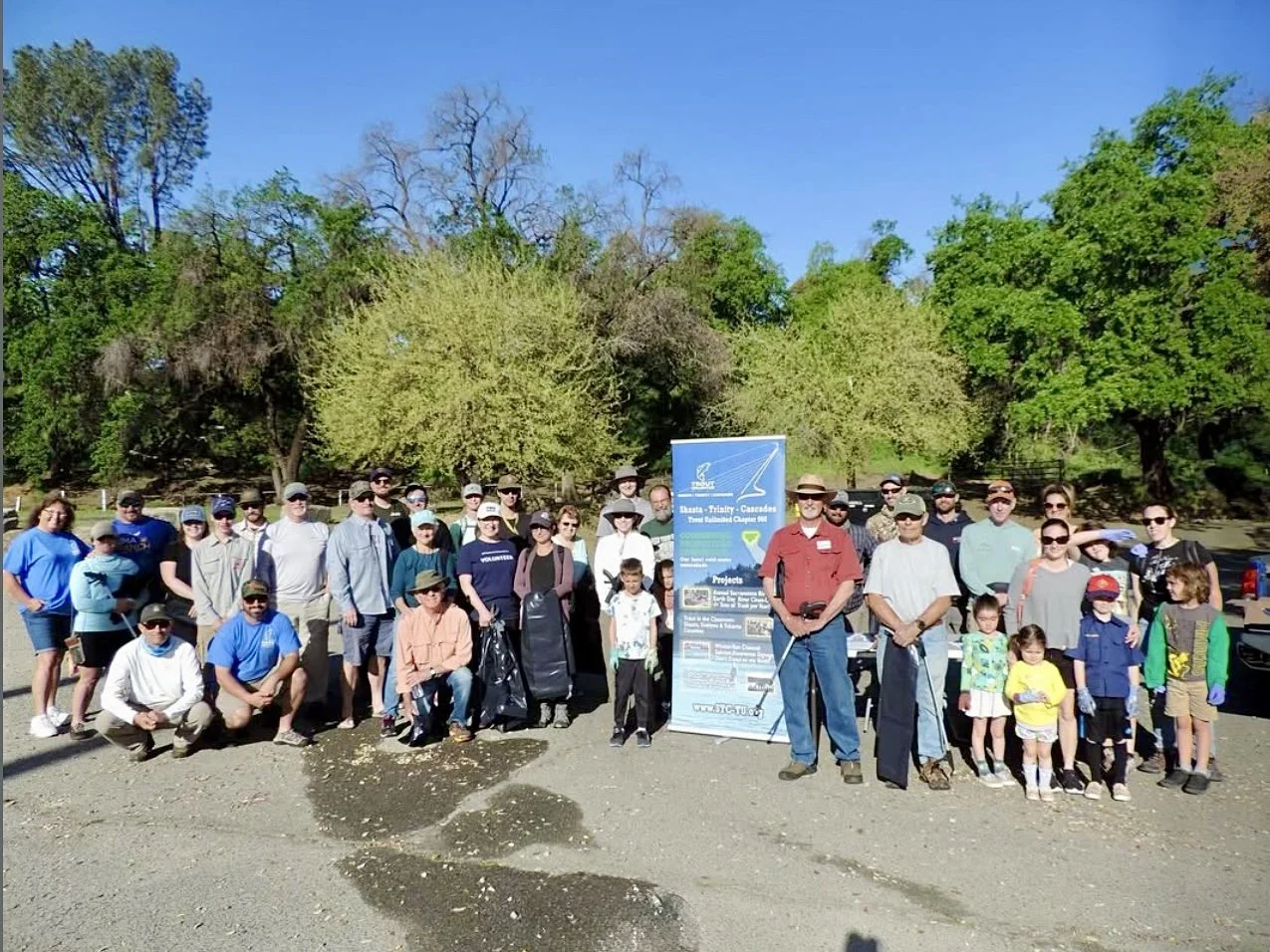
Lower Sacramento River Cleanup volunteers

Our signature event where I think most people hear about us is our annual lower Sacramento River cleanup. We typically do it on a weekend day in April and it's an event where anybody can come. You don't need a boat. We have a lot of people show up with drift boats and jet boats and a lot of people walk the banks. We focus on cleaning up the river as best as we can. It gets the community involved and we get good participation.

Who are some of the folks you consider key to the chapter that makes these events happen?

The entire board is heavily involved in orchestrating events like the cleanup. Our board includes Curtis and Roberta Cole, Michael Caranci, Creighton Smith, Andreas Fuhrman, Josh Markle, Dan Rhodes, April Brown, Bryan Quick and Jim Wigington.

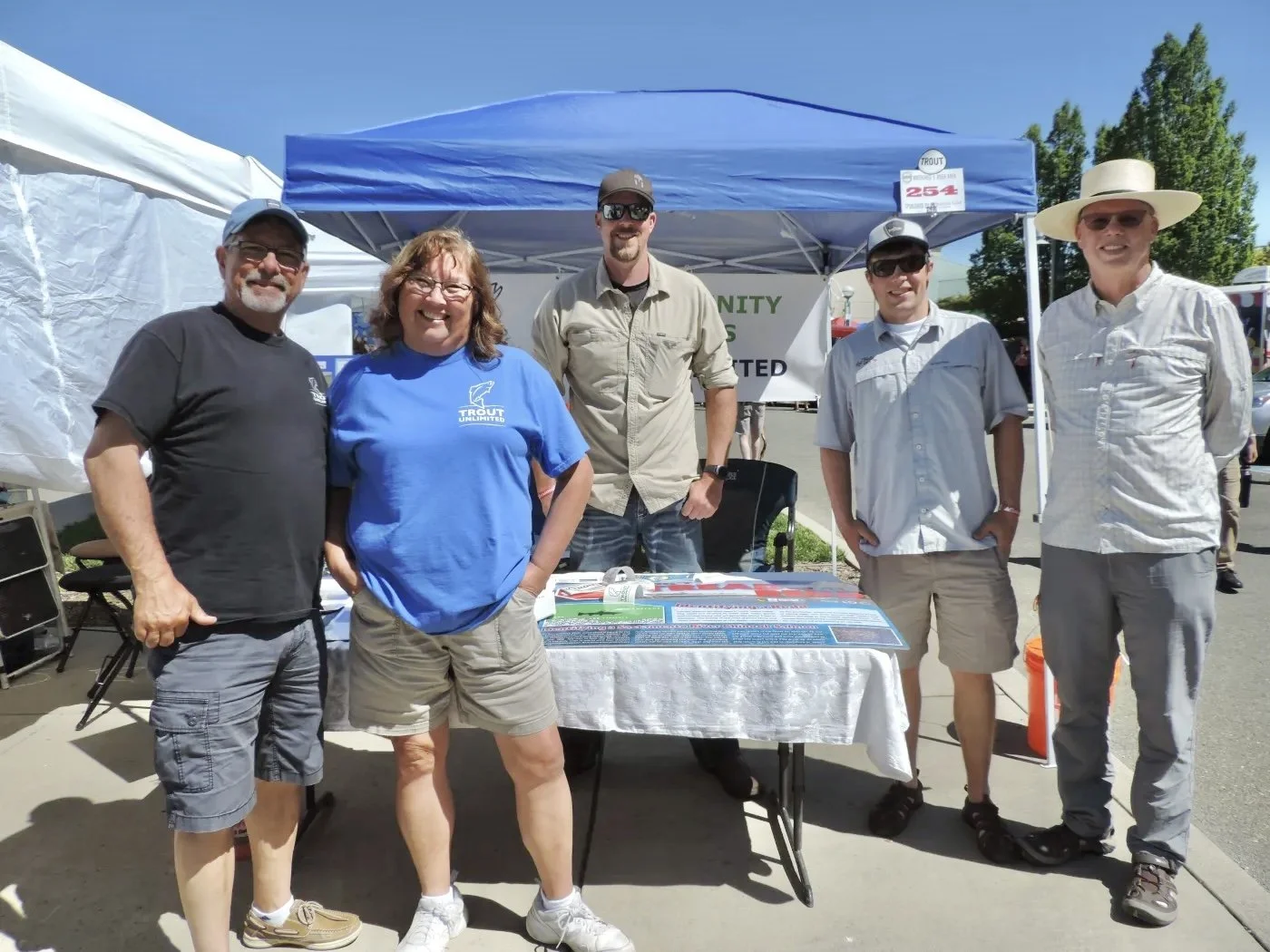
TU STC volunteers engaging the public

It sounds like you get great participation in the spring cleanup beyond just the board members. What would you say are the most effective methods for reaching your members with news and announcements?

I'd say it's a mix of email newsletters and social media, primarily Facebook and Instagram. Our email mailing list includes both Chapter members and other local folks who are interested in what we do.

Are there other events you do to engage people?

We have an annual fly fishing film tour event that we do every fall that is well attended. We've used different ones over the years and the one we use now is the International Fly Fishing Film Festival (IF4). We hold the event at the Cascade Theater in Redding, which is a great venue -- it’s a super fun place to see the show. That's our big fundraiser, and we get to make our pitch to folks attending and remind them why we're doing what we do. This big event allows us to focus our fundraising on one annual event, so we don't have to really worry about it the rest of year.

Has the Chapter done any stream restoration projects?

Adding habitat for winter run Chinook Salmon smolts

Yes. We did one in a backwater area of the Sacramento River where we helped install woody debris to create habitat for winter run Chinook smolts. We did another project on a small stream that flows into the Sacramento River above Redding where we removed many truckloads of Carr Fire sediment that would have washed down into the river. We're always searching for projects like that. It’s challenging for us to do in-river projects because we’re dealing with rivers that have endangered species like winter run Chinook or threatened species like steelhead. For us to do anything in-stream requires a lot of help and coordination with state and federal agencies.

What are some of the other priorities for the Chapter?

A big year-round focus for us is advocacy. Through our advocacy we have been able to positively affect a lot of local projects that are being implemented by third parties. For example, there are a lot of projects being done on the Sacramento river to improve habitat for endangered winter run Chinook salmon. Many of these projects are designed to create more side channel habitat for the young fish. Our primary concerns with these projects include maintaining and improving public access and making sure we address issues for any trout fisheries that might be affected. The side channel projects are a big deal for our chapter and it's great that the local and state and federal agencies reach out to us on these and solicit our input. We also do a fair bit of advocacy around fishing regulations.

Our Chapter also has a focus on the local guiding community. Guiding is a huge deal in our area since people come from all over to fish here for trout and steelhead on our local rivers. Many of our members are folks who work in the fly fishing industry as guides and outfitters. I am an outfitter (Confluence Outfitters) and Bryan Quick, one of our board members, is the head outfitter at The Fly Shop in Redding. The guiding community is important to our chapter so we pay close attention to proposals and projects that might affect the guides and outfitters. Those of us in the fly fishing industry have opportunities to share our conservation values with our customers – that’s something that I aim to do better at in my own business.

What do you see as your biggest challenge going forward as a chapter?

Maintaining engagement and involvement. We have an interesting mix of working age and retired folks on our board which is great, but we need to keep the new people coming in. We really need to grow the active part of our chapter.

Anything else you'd like to share?

I think we’d like to see more volunteer opportunities built- in to some of TU’s big projects. We are always looking for opportunities to do hands-on work to support our local coldwater resources.